Showing posts with label history. Show all posts

Wednesday, April 15, 2026

Sometimes the Smallest

Post (C) Doris McCraw

aka Angela Raines

Image (C) Doris McCraw


 “The minor events of history are valuable, although not always showy and picturesque.”  Mark Twain

I find this quote by Mark Twain particularly applicable. It is the little things that add up to a rather amazing whole.

Dr. Susan Anderson

If Dr. Susan Anderson’s father had not moved to Cripple Creek in the 1890s, she would not have returned there after medical school. When establishing a practice in that town did not work out, she eventually went to Fraser, where she met the woman who would later write her story, Doc Susie.

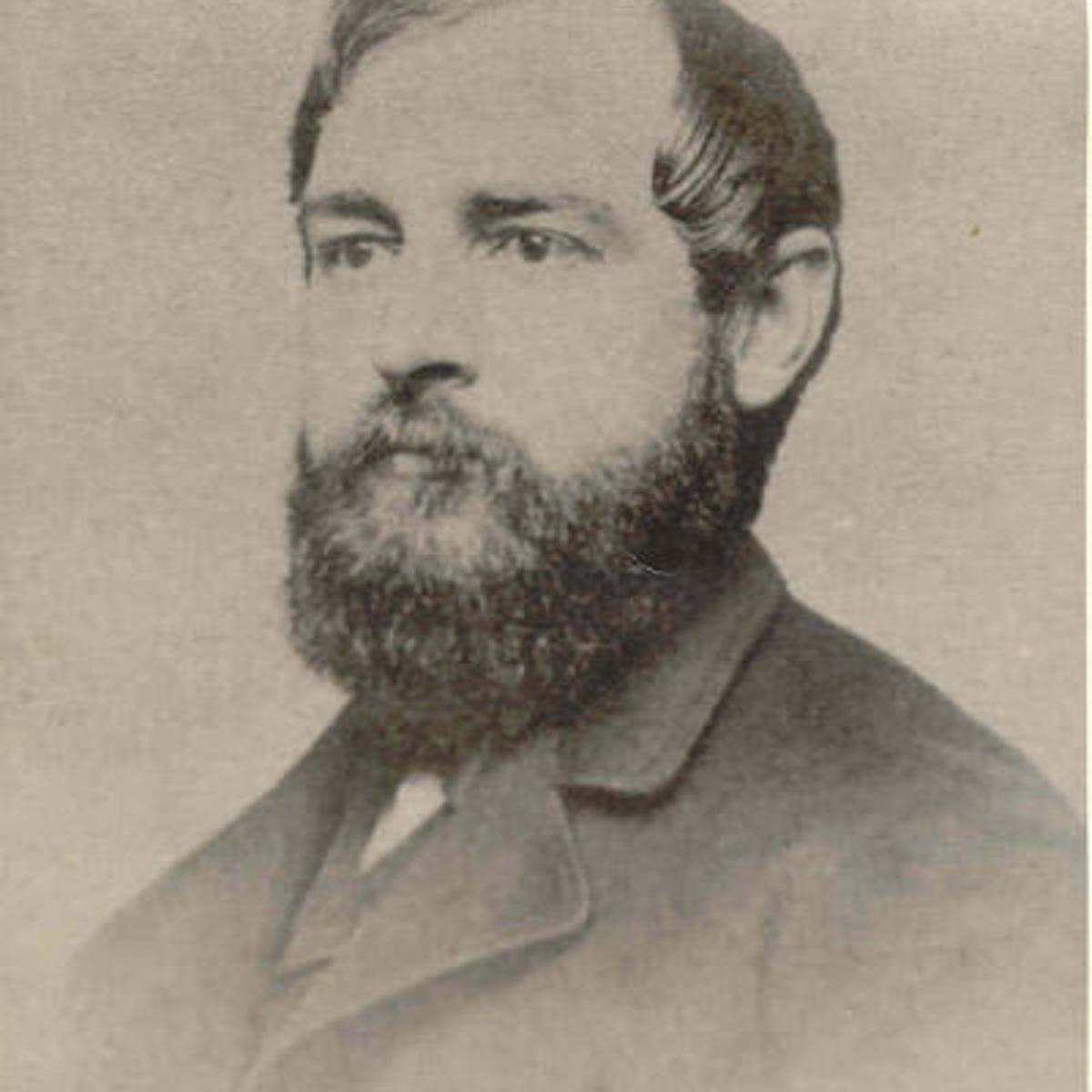
Winfield Scott Stratton


Winfield Scott Stratton, Cripple Creek’s first millionaire, rose from the ranks of prospectors. Through his influence and financial support, many miners and mine owners owed their livelihoods to him. The labor strike of 1893–94 ended with miners securing an eight-hour workday and $3.00 per day pay. After he died in 1902, the miners’ union lost the 1903–04 strike. Were the two events connected? Again, Twain’s idea of “minor events” holds weight.

My Father

In 1930, my father was born at home, three months premature. He weighed 2 pounds, 9 ounces. To keep him warm and alive, they placed him in a shoebox on the oven door. They also gave him a shot of whiskey every hour. Those actions likely saved his life. Something as minor as a shoebox, a bottle of whiskey, and a warm oven made all the difference.

Dr. Elizabeth Blackwell

When Elizabeth Blackwell, the first woman in the United States to graduate from medical school, was accepted into Geneva College in New York, it was considered a joke. She chose not to see it that way and graduated in 1849.

The next time you look at history, whether personal or national, consider the minor events. See where their story leads you. You might be surprised.

The same can be said for the stories we read. The smallest thing can lead to unexpected results. What is the smallest thing in a book you read that led to something wonderful?


Until next time,

Stay safe and keep reading and writing.

Doris

Angela Raines - Amazon

Doris A. McCraw - Amazon

Wednesday, June 18, 2025

They Preserved the Past


MARTHA MAXWELL - CHARLES E.H. AIKEN

Post by Doris McCraw
writing as Angela Raines

Photo property of the author
In the late 1880s and early 1900s, a fascination with nature was prevalent, particularly among those in the eastern United States. The Audubon Society and the Sierra Club were two of the organizations that have endured, although others existed prior to and after them, as mentioned above. Taxidermy was a means of studying the animals and birds, allowing others to observe them in museums and exhibits.

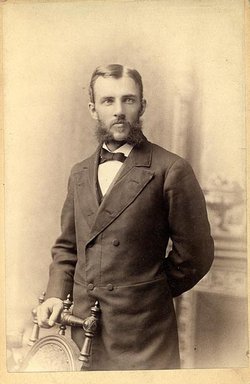
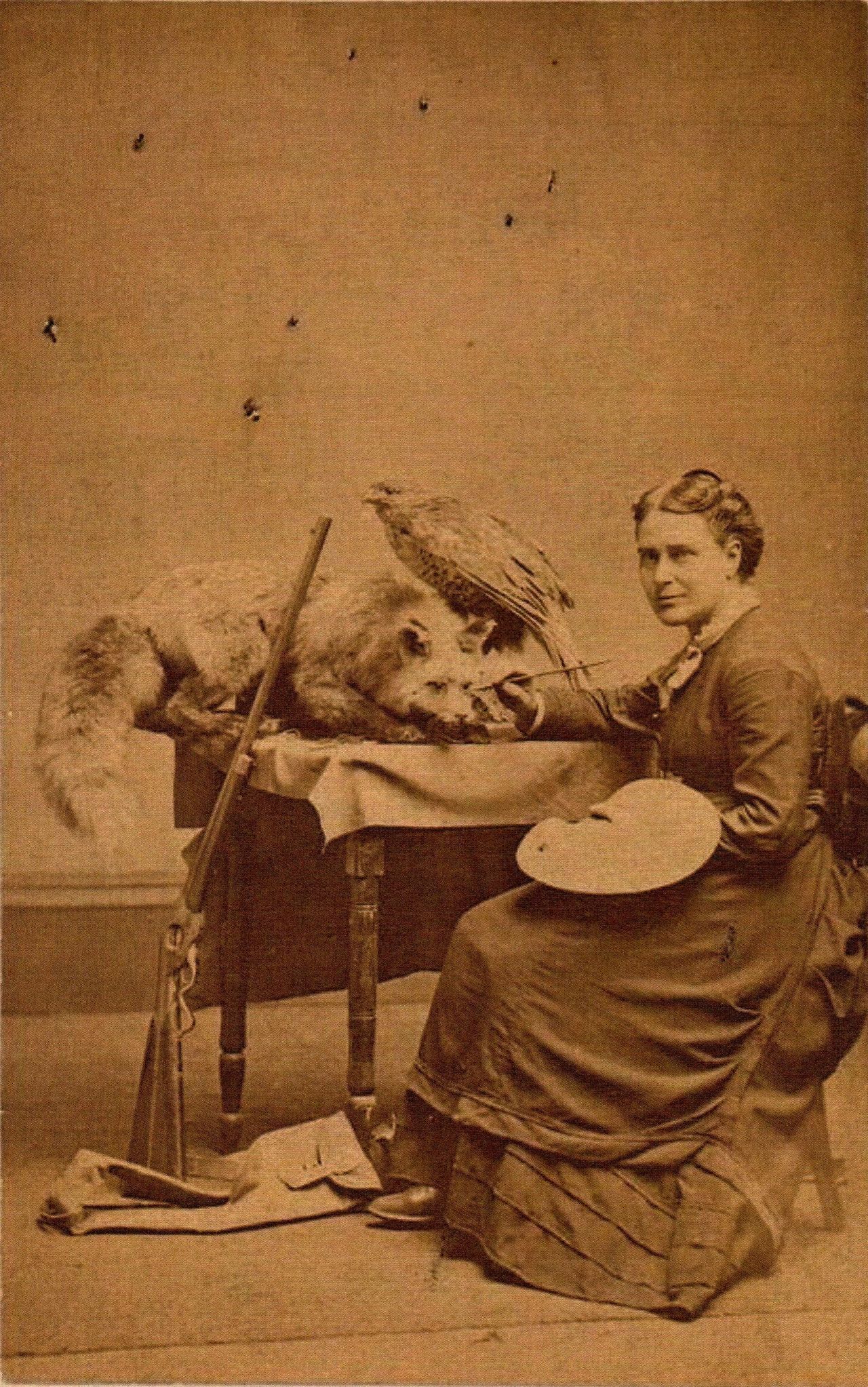
Both Aiken and Maxwell were taxidermists. Aiken focused on birds and Maxwell on wild animals. They both collected their own specimens, and both were in Colorado. Aiken in Colorado Springs and Maxwell in Boulder.

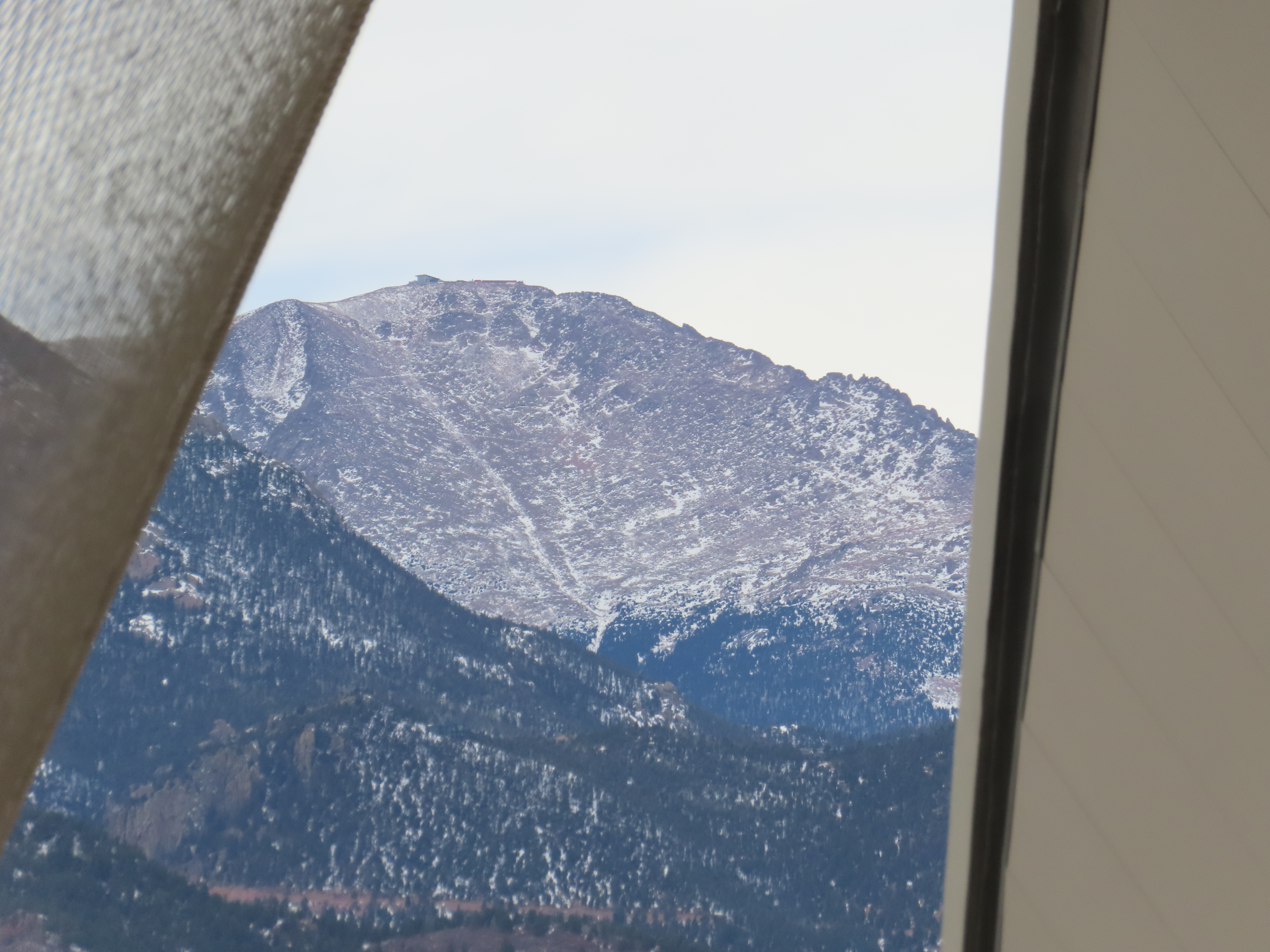
Charles Edward Howard Aiken was born on September 7, 1850, in Vermont. The family later moved to Illinois. It was there at the age of eighteen that Aiken began his study of birds. After the family business was destroyed in the Chicago Fire of 1871, they moved to Colorado Springs. Charles continued his study of birds, using the standard method of study by killing them. Aiken went a further step and stuffed and mounted them. He had a music store and museum on Pikes Peak Avenue in Colorado Springs. His collection from his years in Colorado Springs was donated to Colorado College. The Aiken Audubon Society is named for him. For more information: https://libraryweb.coloradocollege.edu/library/specialcollections/Manuscript/Aiken.html You can also access his book "Birds of El Paso County, Colorado" here: https://archive.org/details/birdselpasocoun00unkngoog/page/n64/mode/2up

Charles Aiken died in January 1936.

Charles Edward H Aiken (1850-1936) - Find A Grave Memorial
Charles Edward Howard Aiken
Martha Dartt Maxwell was born on July 31. 1831 in Pennsylvania. According to the information included when she was inducted into the Colorado Women's Hall of Fame, she was five feet tall and a lifelong vegetarian. She and her husband arrived in Colorado around 1863, and she ran a restaurant in the Boulder area. When her mother was ailing, she went to Wisconsin to care for her. Here, the story gets a bit cloudy. Some say she became interested in taxidermy while in Wisconsin, but other sources claim it was when she drove a taxidermist off her property that she developed an interest. Regardless, by 1868, she had opened a museum in Boulder, showcasing her panoramas of animals she had caught, skinned, and stuffed. Helen (Hunt) Jackson was so impressed that she wrote an article that appeared in publications on the East Coast.  If you would like to read her book "On the Plaines, and Among the Peaks, of How Mrs. Maxwell Made Her Natural History Collection," you can access it here on Google Books: https://www.google.com/books/edition/On_the_Plains_and_Among_the_Peaks/ePpGAQAAMAAJ?kptab=editions&sa=X&ved=2ahUKEwiL9b2wn63pAhUPCs0KHW9PDK0QmBYwAHoECAEQBw

Martha Maxwell died on May 30, 1881, in Massachusetts. For more on Martha:https://americacomesalive.com/2014/04/05/martha-ann-maxwell-1831-1881-naturalist-taxidermist/

Martha Maxwell - Women in Taxidermy
Marth Dartt Maxwell

As I continue researching early Colorado and its residents for my upcoming National Park Brides book, the deeper I delve.  This post is a revised version of earlier research. 

Until next time
Doris

Angela Raines - Amazon

Doris A. McCraw - Amazon

Wednesday, July 17, 2024

July 17, 1876

 Post (c) Doris McCraw

aka Angela Raines


Photo (C) Doris McCraw


For those who know me and my work, I love research, and those tidbits that pop out in the historic newspapers, etc. On that note, I wanted to share some of the pieces I've found and my thoughts on the content.

This first piece just begs one to wonder what language the woman using. Laramie, in Wyoming, a place where we've historically been told that women were ahead in suffrage, was perhaps not as ahead of its time as was told.

It was interesting they used 'ungentlemanly' language, Was it swearing? Would they have fined a man for the same language? It is something to think about.


The Denver Daily Times
July 17, 1876


This next piece, from the same issue of the Denver Daily Times, caught my eye. I am in the middle of a year-long project of telling the stories of some of the Civil War Veterans and the Wives of Veterans who are buried in the local cemetery. As a result, there are times when reconstruction shows up in the research.

The things newspapers thought were important to print are endlessly fascinating. 

The Denver Daily Times
July 17, 1876

What type of research do you do when preparing for your writing? 

Until Next Time: Stay safe, Stay happy, and Stay healthy. 

Doris


Wednesday, March 20, 2024

Is it Real?


Post (C) Doris McCraw

aka Angela Raines


Photo (C) Doris McCraw

We write the story and our characters experience the highs and lows of life. But are they real? We hope they are real to the reader, but the emotions we elicit, where do they come from?

In this year where my word is 'experience' I look at events and my part in them as having experiences. This also brought to mind where do we find the depth we have our characters dive into as they maneuver their way through a story. Is it what we have experienced? Perhaps it's what we believe they would feel and experience. Pulling from real life does add a level of reality. Yet, sometimes we have no experience that fits that situation.

Photo (C) Doris McCraw

As I research and write, for two complementary blogs, the story of Civil War Soldiers and Civil War Wives who are buried in the local cemetery, I know I've no experience of what they must have gone through. The best I can do is take the facts as I find them and work to access some emotion that might be comparable. A poor second I admit, but it may be better than no emotion at all. If you wish to read about these people, there will be links at the end of this post.

As I write the next book, a story that partially takes place on a train, I can use my own experiences of traveling the rails. Yes, I've ridden on an old steam engine train with the requisite old cars. Yes, experience does help. Stay tuned for more about these two people and their train journey.

Virginia Strickler - Prairie Rose Publications Blog

Henry C. Davis - Western Fictioneers Blog

Chester H. Dillon - Western Fictioneers Blog

For anyone interested, I have a monthly substack newsletter: Thoughts and Tips on History


Until Next Time: Stay safe, Stay happy, and Stay healthy. 

Doris


Wednesday, January 17, 2024

Their Stories

Post by Angela Raines

aka Doris McCraw

Photo (C) Doris McCraw

For those who know me, you know how important learning the stories of people who lived so many years ago, is to me. Old newspapers, cemetery headstones, early biographies, and old books are where I spend a lot of time.

In these quiet research times, I can immerse myself in the stories of not only the famous but also the everyday people who went about living their lives, and ultimately in their own way impacted the time we now live in. It is these people who helped the famous achieve their success.


Photo (C) Doris McCraw

In my spare reading time, I enjoy hunting down early biographies such as "Following the Guidon" by Elizabeth Bacon Custer, which I am working through. Any book by Helen (Hunt) Jackson, for the history of Illinois, where I grew up, "The History of Warsaw, Illinois" a town on the Mississippi River.

Each story I read, and each headstone I research allows me to use my imagination to step back in time, to visualize how people lived and thought. The historic newspapers give me a sense of what people thought was important, their sense of humor, and how they celebrated life.

This is what I choose to continue to experience in 2024. What do you plan to experience in the coming year?

Until next time:

Stay Safe & Stay Well

Doris


Wednesday, July 19, 2023

Digging Deeper

 Post (c) by Angela Raines 

aka Doris McCraw

Photo (c) Doris McCraw
all rights reserved.

On Wednesday, July 19, 2023, the day this post is published, I will present a program at the Evergreen Cemetery Chapel in Colorado Springs on the women doctors buried at that cemetery who practiced before 1900.

As I researched these fantastic women and wrote the book, I realized one thing: to tell the story it was necessary to dig deeper.

One of the first things I did, I started with the idea that women didn't have the 'horrid' issue about being a doctor that was the commonly held concept. By doing this I could look at the facts without a preconceived bias. Guess what? It allowed for deeper and more incredible research. For example:

I dug until I found the autobiography of Elizabeth Blackwell. In there, I found the following pieces of information: "Is it not perfectly true everywhere that a woman who respects herself will be respected by others..." and."...found that I had so shocked Geneva propriety that the theory was fully established either that I was a bad woman, whose designs would gradually become evident, or that, being insane, an outbreak of insanity would soon be apparent. Feeling the unfriendliness of the people, though quite unaware of all this gossip, I never walked abroad, but hastening daily to my college as to a sure refuge, I knew when I shut the great doors behind me that I had shut out all unkindly criticism, and I soon felt perfectly at home amongst my fellow students."

This sounds totally different from the commonly held idea that she was laughed at by the students of Geneva College.

I also found the autobiography of Harriott Kezia Hunt, the woman who, after studying under another doctor had a medical practice in Boston, MA. in the 1830s. Here is a link to a brief overview of this amazing woman's story Harriot Kezia Hunt - MD

By taking the opposite approach I wasn't hindered by limiting beliefs and kept digging to try to verify or disprove my thesis. That has served me well over the last ten-plus years as I continue to research and write about these pioneering women.

For those who might like to read about those doctors and medicine in Colorado Springs, CO. here is a link to my aforementioned book: Under the Stone


Until next time - Stay safe, Stay Healthy, and Happy Reading.

Doris


Wednesday, January 18, 2023

BACK IN THE DAY, 1859 - COLORADO CITY'S FIRST DOCTOR


Doris McCraw aka Angela Raines

Photo property of the Author

Colorado City, otherwise now known as Old Colorado City had a doctor almost from the very beginning of its existence in 1859.

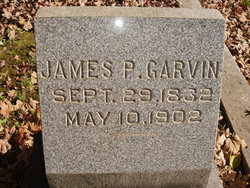
James Paul Garvin was born in September 1832 in the state of Pennsylvania. While no record has been found of his early medical education, we know that he came to Colorado at around the age of twenty-seven.

Image of Dr. James Paul Garvin from 
the Oct 12, 1952 edition of the
Colorado Springs Gazette

Once he arrived in Colorado city he and M. S. Beach set about building a cabin where Dr. Garvin not only lived and practiced medicine but also worked as a pharmacist, making his home a doctor's office and a drugstore.

Dr. Garvin remained in Colorado, not taking part in the fighting that we know as the Civil War. There is also the possibility that he was a sheriff in Denver for a brief time, but so far that has yet to be verified.

During Dr. Garvin's stay in Colorado, there is a very good chance that he would have traveled to other parts of the state, specifically gold mining camps, to tend to those who were ill. That he also might have spent time searching for gold is a real possibility.

There is much still to be found about Dr. Garvin's stay in Colorado, however brief that might have been.

From the Find A Grave website.


Sometime in the late 1860s Dr. Garvin left Colorado for good and returned to the East. He may have continued studying medicine, but we do know that he married Cedelia A. Butz, in January 1875 in Terre Haute, Indiana. It was her second marriage and his first. They had three children, two boys, and one girl. The couple later moved to St. Louis Missouri and then to Alton, Madison County Illinois. He remained there until his death in 1902.

Dr. James Paul Garvin and his time in Colorado city have been overshadowed by the cabin that he and Beach built. If one is to visit old Colorado city you will find the cabin standing in Bancroft Park. The building is considered the second oldest building in Colorado City and played a part in the storied beginning of Colorado as a territory and the "First Territorial Capital of Colorado". That is a story for another time.

Until next time, Doris 


Wednesday, January 19, 2022

Reference Material

Post by Doris McCraw

writing as Angela Raines

Photo property of the author

Like a lot of people, 2021 was kind of a lost year. I didn't publish anything last year. That doesn't mean I wasn't writing, but editing was a loss for me. So for 2022, it's back to business. 

So, as I finish up the stories that are in the loop, I will be fine-tuning the information. That will include my favorite part of writing, research. For those who are interested, here is a list of resources I use. Perhaps some of you have used them also.

1. Newspaper Archives. This is my go-to for information on what was happening during the time that the stories are set. Sometimes it's just a small detail, sometimes major events. Like all research, it adds authenticity to the story.

2. Colorado Historic Newspapers. Since my westerns are set in Colorado, this is my lifeline to the minutia that makes the stories come to life. 

3. "Doctor at Timberline" by Charles Fox Gardiner. This autobiography tells the story of an eastern doctor who starts his practice in the high mountains of Colorado. It has been very useful when writing the stories of women doctors in Colorado.

4. "The Doctor's Bag" by Dr. Keith Souter. This book is a compilation of blog posts about medicine through the ages, especially the way medicine was practiced in the Civil War and the West.

Amazon

5. "Log Cabin Cooking" by Barbara Swell. Love this look back at the recipes and lore when cooking was done on the woodstove or hearth.

Amazon

6.  "The Prairie Traveler" by Randolph B. Marcy, Captain, U. S. Army. Originally published in 1859, it is one man's look and advice for those traveling across the continent to the West. 

Amazon

These are just a few of the reference materials I use when writing. Perhaps some of you might like to take a look at them also. Plaster of Paris was used with linen for the immobilization of broken bones as early as 1839. I had my heroine, Josie, in "Josie's Dream" use it when setting a broken bone. Since the story takes place in 1879 on the Eastern Plains of Colorado, I felt safe using that technique.


Amazon


Wednesday, October 20, 2021

SOME THOUGHTS ON HISTORY


SOME THOUGHTS ON HISTORY

Post by Doris McCraw

writing as Angela Raines

So you may wonder why I chose ‘Some Thoughts on History’ as the subject of this post. Quite simply, I’m constantly in awe of what I find as I research and write. What history has to share with those who look is priceless. 

Perhaps the thoughts of thinkers, who also have their own ideas on the subject, might be of interest to you. While we may not always agree on interpretation, to know history is to know ourselves.

9-10-2011 end of season trip 136
Photo property of the author

“History will be kind to me for I intend to write it.” Winston S. Churchill

“If you don’t know history, then you don’t know anything. You are a leaf that doesn’t know it is part of a tree. ” Michael Crichton

“The most effective way to destroy people is to deny and obliterate their own understanding of their history.” George Orwell

“History, like love, is so apt to surround her heroes with an atmosphere of imaginary brightness.” James Fenimore Cooper 

“Study the past if you would define the future.” Confucius

“One of the saddest lessons of history is this: If we’ve been bamboozled long enough, we tend to reject any evidence of the bamboozle. We’re no longer interested in finding out the truth. The bamboozle has captured us. It’s simply too painful to acknowledge, even to ourselves, that we’ve been taken. Once you give a charlatan power over you, you almost never get it back.” Carl Sagan

“Remember, remember always, that all of us, and you and I especially, are descended from immigrants and revolutionists.” Franklin D. Roosevelt

“To be ignorant of what occurred before you were born is to remain always a child. For what is the worth of human life, unless it is woven into the life of our ancestors by the records of history?” Marcus Tullius Circero

“If history were taught in the form of stories, it would never be forgotten.”  Rudyard Kipling

“The farther backward you can look, the farther forward you are likely to see.” Winston S Churchill

“For the survivor who chooses to testify, it is clear: his duty is to bear witness for the dead and for the living. He has no right to deprive future generations of a past that belongs to our collective memory. To forget would be not only dangerous but offensive; to forget the dead would be akin to killing them a second time.”  Elie Wiesel

2-19-2013 023

Some quotes are funny, some thoughtful. and others controversial. All are important, for history is who we are, and to delve into that well of knowledge is something that is precious to ourselves and those who will follow after. 

Amazon

I used history as a backdrop for my novel "The Outlaw's Letter". Below is an excerpt.

"Well young lady, if you'll take it easy, and do as I and Maudie say, I think you're going to make a full recovery.” Then turning to Maude he added, “At this point, I don't see any reason for me coming back until next Monday."

Hetty nodded, saying, "Thank you, sir, I appreciate all you have done."

The doctor patted her hand and after a quick examination of Hetty's head walked with Maude to the door giving her instructions. He waved and headed back to town.

Just before he left, he whispered to Maude, “Take care, try not to let her get upset. She doesn’t know what went on, and I leave it to you to break it to her gently.”

Maude gave Doc a smile, “I’ll do my best. Poor thing, but she may surprise us. Think she’s stronger than we realize.”

Maude waited until the Doctor was out of sight, then taking a deep breath, headed back inside. She found Clover sitting next to Hetty’s cot, telling her about their new milk cow and the cream and butter they sold in town.

Maude started to say something, but Hetty gave a slight shake of her head, then turned her attention back to Clover.


Happy reading, and enjoy your own form of creativity for you are sharing your history with the world.


Doris Gardner-McCraw -
Author, Speaker, Historian-specializing in
Colorado and Women's History
Angela Raines - author: Telling Stories Where Love & History Meet

Wednesday, May 19, 2021

CLANG, CLANG WENT THE TROLLEY

 Post by Doris McCraw

writing as Angela Raines

Are you someone like me who gets excited when you find a special place when you're history hunting? Have you walked into that unexpected museum to find a treasure trove of unique history? That is exactly what happened to me when I walked through the doors of the Pikes Peak Trolley Museum and Restoration Shop located at 2333 Steele Dr. in Colorado Springs, CO. 

One of the trolleys (The Birney #135) 
in the process of being restored.

This small, but powerful, museum, is located in the roundhouse of the Rock Island Railroad which was one of the many railroads to serve Colorado Springs in the late 1800s and early 1900s. The museum itself tells the story of the trolley system that served Colorado Springs from its beginnings in the 1880s through the early 1930s.

Notice on the side of The Birney

While there I was welcomed by volunteers who love to share their knowledge and passion for trolleys and for some, railroads. Any question I had was answered in-depth and when possible, with visual representation. I was even given a lovely view of "The Polar Express", a miniature moving train system based on the beloved book of the same name.

Not only do you get to see photos and paraphernalia of those by-gone days, but you can also watch work being done to restore these amazing vehicles. Each trolley comes with its own history and if you speak with the volunteer who has been researching that particular one, you are lucky. It was while touring one of these I learned that not only Colorado Springs and Denver had trolley systems, but Aspen and Leadville did also. It is something I will be researching as I continue to write stories that take place in my adopted state.

Replica of a ticket office at the Museum

These sometimes forgotten transportation systems were so much a part of the growth of the towns and cities in the west. I know I will be writing more about this wonderful piece of history. 

In the meanwhile, think about how you might have ridden trolleys if you'd been alive back then. How would you have felt moving along in an open trolley as it took you through town, or to the sites that made the town famous? Oh, the possibilities.

What ticket buyers may have seen as they purchased their tickets.

All photos were taken by the author with the kind permission of the museum.

If you want to know more about the museum here is a link: https://coloradospringstrolleys.com/


Doris Gardner-McCraw -
Author, Speaker, Historian-specializing in
Colorado and Women's History
Author of the "Agate Gulch" novellas and "Kiowa Wells" novels.
Angela Raines - author: Telling Stories Where Love & History Meet


(c) Doris McCraw All Rights Reserved. 


Friday, August 7, 2020

Late Victorian-Era Beauty Secrets by Kristin Holt


Kristin Holt | Late Victorian-era Beauty Secrets

Late Victorian-Era Beauty Secrets
by USA-Today Bestselling Author
Kristin Holt

19th Century Woman's Toilette

I continue in fascination as I discover more and more history of real life among average, working Victorian-American women. The wealthy may have bought pots and tubes from the burgeoning beauty industry, but what advice or methods circulated among the average Mary?
(Note: I've shared numerous links to related articles, below.) 
Kristin Holt | Late Victorian-Era Beauty Secrets. Cover image: Dr. Sloan's Cook Book and Advice to Housekeepers
Cover image: Dr. Sloan's Cook Book and Advice to Housekeepers

The following image contains a snippet from Dr. Sloan's Cook Book and Advice to Housekeepers, published 1905.

Kristin Holt | Late Victorian-Era Beauty Secrets - How To Keep Your Beauty (1905), a one-page snippet from Dr. Sloan's Cook Book and Advice to Housekeepers.


Because reading from this image is difficult, I've carefully transcribed the content for you. Read on!

HOW TO KEEP YOUR BEAUTY.


The best way to keep the face free from wrinkles is to cultivate a serene disposition, take plenty of sleep, eat food that will digest easily, and when a wrinkle does appear erase it promptly by massaging well with a good skin food. Rub all the lines of the face upward as much as possible, as the face has a tendency to sag.

To have a good clear skin, the face must be kept free from dirt.

Cleanse the skin thoroughly with hot water, into which a little borax has been dissolved, and use a good pure soap.

Lather the face well with the soap and wash off with the hot water. Dry thoroughly and anoint with cold cream.

To whiten the complexion, take one-half pint new milk, one-quarter of an ounce lemon juice, and one-half an ounce of white brandy. Boil the whole, skin, and use night and morning.

If one's face is too red, be careful of the diet. Take no hot drinks, but cooling ones. Do not wash the face with cold water -- lukewarm water is better -- and try hot foot-baths before retiring at night.

To  keep your hands soft, rub them two or three times a day, after washing, with equal parts of glycerine and lemon juice. Let it stay on ten or fifteen minutes, then wash the hands quickly in lukewarm water, using a good soap, and dry thoroughly. If your hands are inclined to be moist, rub a very little lemon juice after drying.

For discolored or stained finger nails a teaspoon of lemon juice in a cup of warm water is invaluable. This is one of the best manicure aids. It will loosen the cuticle from the finger nails as well as remove discolorations.

Brittle nails may be cured by soaking them daily for a few minutes in blood-warm sweet oil. Polish the nails daily with the chamois-skin polisher to improve the circulation and make them clean and pink. No paste is needed.


Invitation

What do you think of Dr. Sloan's solutions and beauty regimen? Please scroll down and comment. The "conversation" part is extra valuable, especially now!

Related Articles

Kristin Holt | Freckles, Complexions, Cosmetics and Victorian Beauty Concoctions
Kristin Holt | Lady Victorian's Secret
Kristin Holt | Oatmeal in the Victorian Toilette
Kristin Holt | Old West Bath Tubs
Kristin Holt | Celebrities Endorse Pears' Soap in 1880's Magazines
Kristin Holt | Victorian Hair Receiver
Kristin Holt | Styling Ladies' Hair: American 19th Century
Kristin Holt | Beauty Penalized: Victorian United States
Kristin Holt | When are Women Most Lovely? Henry Ward Beecher, 1879.
Kristin Holt | False Beauty Spots
Kristin Holt | Victorian Curling Irons
Kristin Holt | Victorian Hair Augmentation
Kristin Holt | Victorian Era Feminine Hygiene
Kristin Holt | Curing Colds: 1881 to 1901
Kristin Holt | Vaseline: A Victorian Product?


By Kristin Holt

Kristin Holt - USA Today Bestselling Author of Sweet Romance set in the American Old West... and an abundance of fun, informative Articles about nineteenth century LIFE

Copyright © 2020 Kristin Holt LC