Showing posts with label Fashion. Show all posts

Friday, December 16, 2022

How Bicycles Influenced 1890s Fashions by Zina Abbott


The 1890’s were known as the “Gay Nineties” for more than one reason. One was the direction taken in women’s fashions that allowed them greater freedom of movement. As the new decade approached, the stiffness and fussiness typical of the Victorian Era eased. Much of this was due to the technologies that developed, as well as women’s involvement in those technologies.

1895 Women on bicycles- Victoria and Albert Museum, the Ashton Collection

Perhaps the innovation that had the greatest influence on the change in women’s fashions was the drop-frame safety bicycle. The 1890s became an era of great dress reforms which allowed women the opportunity to ride bicycles more comfortably, and therefore, created the need for appropriate clothing.


Keep in mind, in the late 1860s, after the end of the Civil War, fabric was in shorter supply, so the hoop skirts wider than the Mississippi River became narrower, with a slight protrusion in back. That protrusion developed into the bustle, which, by the mid-1880s, often stuck out on a woman's rear like a small mountain. All during this, the ladies were contained in a stiff corset that squeezed their inner organs and often prevented breathing easily. It definitely restricted movement.

Big-wheeler bicycles 1887

Although horses and horse-driven conveyances still dominated in the more rustic West, t
oward the end of the 1880s, bicycles and—for the ladies with their more restrictive clothing—tricycles became available. 


These were probably seen more in the East and possibly the around the larger cities (read: roads that weren’t a dust bowl in the summer and a muddy swamp in the rainy season) in the West.

Photographer unknown. Staff of the Mechanics Institute Reference Library, 1895. Photograph. Toronto: Toronto Public Library

However, Western society in Europe and North America began to move away from the stiff, moralistic, Victorian Era. Women were enjoying new levels of independence as opposed to the Victorian Era (and back through time) belief that they should restrict their interests and activities to those involved in being a homemaker. During the decade, the number of women employed outside of the home almost doubled. The “New Woman” was an intellectual, young female. 


1898 Women in bathing costumes--ooh! Look at those bare legs!

As more and more began working outside the home, they began to pursue interests in cycling and participating in sports (as opposed to always being the admiring audience to the wonderfulness of men’s sporting activities).

1895-1900 students Atlanta Univ. George


In order to do this effectively, women needed clothing that was less restrictive. The introduction of electricity in clothing manufacturing produced a boon in the ready-to-wear market.


Less restrictive it did become, as heavily boned corsets so stiff and tightly laced they were strapless gave way to straight front corsets, also known as health corsets, athletic corsets, hygienic corsets, and sanitary corsets. They did not have the heavy boning, but were buttoned in the front and held in place with shoulder straps.
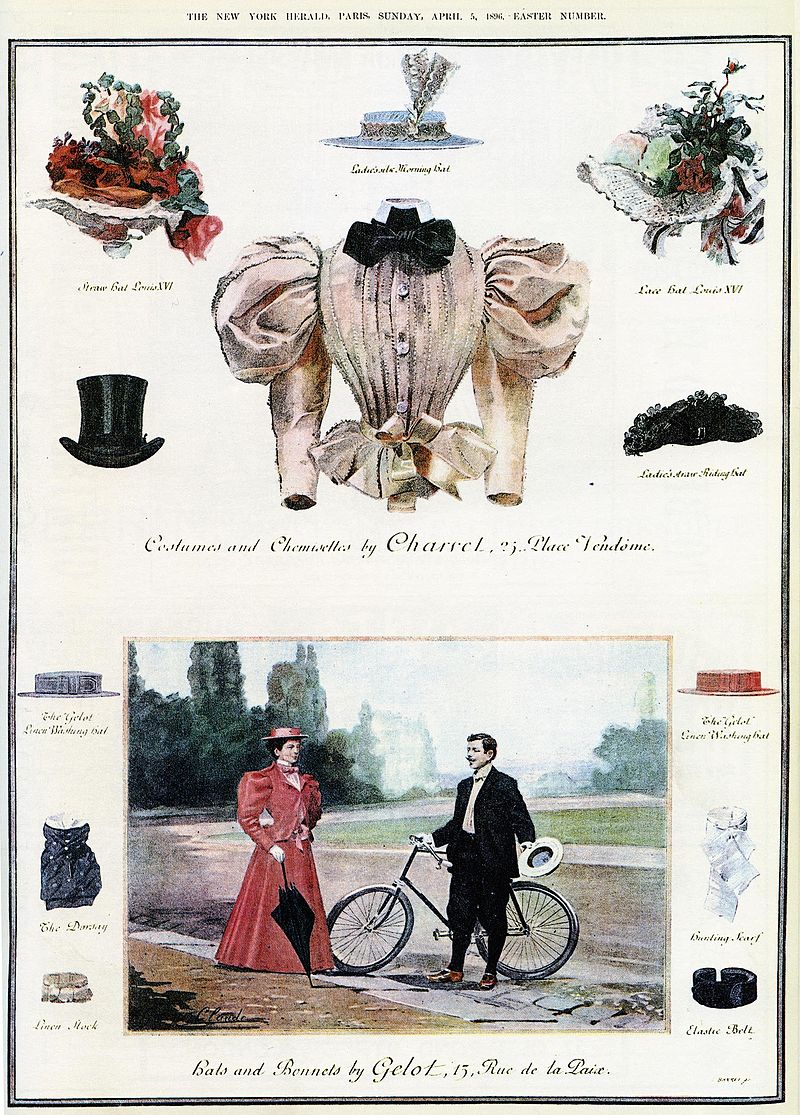
1896 Charvet Avertisement


Dresses focused more on mobility, with free-flowing skirts and leg-o-mutton sleeves. The “mutton sleeve”—the vertical puff at the shoulders—developed to allow greater freedom of movement in the arms. This style reached its peak in 1895. By the end of the century, it gradually diminished.

Skirts were bell-shaped, gored to fit smoothly over the hips. Gone were the multitude of heavy petticoats. This allowed for more self-expression and a more natural silhouette for women’s bodies.

These skirts also allowed for greater mobility. They made it possible for women to ride the drop-frame safety bicycle instead of being restricted to the tricycle of the previous decade.


Along with the floor-length that used for everyday wear, to appeal to the athletic woman, a “walking skirt”—a skirt that fell to just above the ankles—also came into style. For younger girls, the walking skirt fell to just below the knees.


On occasion, such as bicycle riding, women set their skirts aside and wore what were formerly referred to as bloomers. This was a bold move, and it was not universally approved due to the controversy surrounding women wearing pants.

1895 Bicycle Suit
Text on image:

Gertrude. "My dear Jessie, what on earth is that bicycle suit for!"

Jessie. "Why, to wear, of course."

Gertrude. "But you haven't got a bicycle!"

Jessie. "No, but I've got a sewing machine!"
 

In this era, they were also known as "rationals" or "knickerbockers." The entire outfit, including the jacket, was known as a “bicycle suit.”


So, hail, hail to the 1890s new woman with her greater freedom of movement, her greater selection of choices, and her greater health—all largely made possible by the adaptions made in clothing styles so she could more comfortably ride the humble drop-frame safety bicycle.

~o0o~

One of my two 2022 romances set in the 1890s was Joshua's Bride, set during the 1893 Cherokee Land Run. Although neither Rose Calloway nor her sister, Marigold, wore bicycle suits or rode bicycles during the land run, there were those who did. The sisters, who rode the train to where they wished to claim land, wore walking skirts.

To find the book description and purchase options for Joshua's Bride

please CLICK HERE.


Marigold Calloway has her romance in 1894 after she is already on the two city residential lots she claimed during the land run. Having spent her life as a schoolteacher, she definitely fits the description of the modern woman who works outside the home. The streamline skirts and looser clothing of the era suit her just fine.

To find the book description and purchase options for Marigold

please  CLICK HERE.


Sources:

https://www.familysearch.org/en/blog/1890s-fashion-changes

https://fashionhistory.fitnyc.edu/1890-1899/

https://recollections.biz/blog/achieving-the-gibson-girl-s-silhouette/

https://en.wikipedia.org/wiki/1890s_in_Western_fashion

https://en.wikipedia.org/wiki/Aestheticism

Wikimedia Commons

Friday, February 7, 2020

Madam, is that a duck on your hat? by Kristin Holt


Madam, is that a duck on your hat? by Author Kristin Holt


Madam, is that a duck on your hat?

: Or, Victorian Hats (1880s) decorated with feathers


Feathers for Decoration

Hat styles changed and developed throughout the nineteenth century, incorporating all sorts of materials and methods of design. Feathers became a particularly popular decoration for ladies' hats in the 1880s.

Kristin Holt | Madam, is that a duck on your hat? 1880s Ladies Hats (contains two fashion plates from the 1880s, showing colorized styles for the era).

Sometimes entire wings were used to spruce up a hat. Other times, a single plume, or a very large assortment weighed down a delightful confection. Heavy hats were blamed for headaches back in the day.

Kristin Holt | Madam, is that a duck on your hat? Image of a Met Museum website's surviving Victorian ladies hat, decorated with feathers.

Apparently some really liked to adorn their costumes with feathers.

Kristin Holt | Madam, is that a duck on your hat? More Victorian Adornment with feathers, this time a stoll and muff, with seagull feathers, heads, and beaks.
NYhistory.org image of Seagull scarf(?) and muff. A fine example of Creepy Victorian Styles.

This creepy seagull wrap and muff aren't the only "feathers with a face"... look at this vintage hat on display from Victoriana.

Kristin Holt | Madam, is that a duck on your hat? Bird's feathers and birds heads decorate hats. Image courtesy of Victoriana.com.

Victorians and Artificial Feathers

Yes, artificial feathers. Victorian-American inventors worked hard on this problem, for the demand for feathers was steep!

"Artificial Feathers" are not quite what you think with today's manufacturing miracles. Read on! This article appeared in the great Old West newspaper the Reno Gazette-Journal of Reno, Nevada back on May 8, 1899, when the social world sort of had its tail in a twist over the use of feathers (and the sheer quantity of avian lives, too).

Kristin Holt | Madam, is that a duck on your hat? Feathered Finery: Plumage for Millinery Now Artificially Produced. The humble Barnyard Fowl Now Furnishs The Material for a Great Deal of the New Hat Trimming. Part 1 of 3.
Kristin Holt | Madam, is that a duck on your hat? Feathered Finery: Plumage for Millinery Now Artificially Produced. The humble Barnyard Fowl Now Furnishs The Material for a Great Deal of the New Hat Trimming. Part 2 of 3.
Kristin Holt | Madam, is that a duck on your hat? Feathered Finery: Plumage for Millinery Now Artificially Produced. The humble Barnyard Fowl Now Furnishs The Material for a Great Deal of the New Hat Trimming. Part 3 of 3.

Beautiful, aren't they?

Kristin Holt | Madam, is that a duck on your hat? Vintage photograph, Victorian, showing a white feathered wint decorating a young woman's hat.

Do you have the knack to paint a plain hen's feather into a magical and almost-perfect fabrication of a peacock? I don't. It's probably a good thing I'm not trying to remain stylish in the 1880s on a meager income.

A few related articles:

Kristin Holt | Victorian-American Headaches: Part 1 (hats are the cause!)

Kristin Holt | Hat Etiquette of the Victorian Era

Kristin Holt | Ladies Fashions: Huge Sleeves of the 1890s

Invitation


Have you thoughts you'd like to share?

Would you wear a hat with a bouncing bird on it?

I had a good deal of fun writing silly and highly decorated late-Victorian-era hats for my characters. You'll find hats like these in The Menace Takes a Bride and in Isabella's Calico Groom. Have you read either, and noticed the hats-- or read another title by any author, where hats were an interesting connection?

Please scroll down and share your thoughts! "Conversation" is the best part. =)

Kristin Holt Writes Sweet Western Historical Romances set in the Victorian American West.

Copyright © 2020 Kristin Holt LC 

Monday, August 20, 2018

Victorian Underpinnings.

By Sophie Dawson

I’m in the midst of making historical garments. Authentic reproductions of late Victorian and Edwardian dresses, which actually are a bodice and skirt. They called one piece garments gowns. In doing so I’m doing a lot of research and looking at many photos.

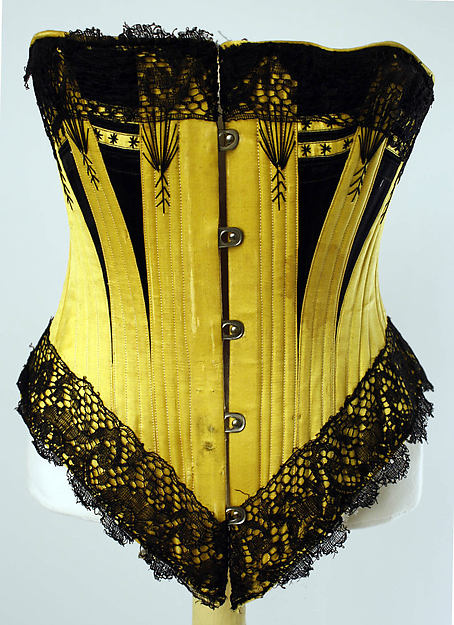
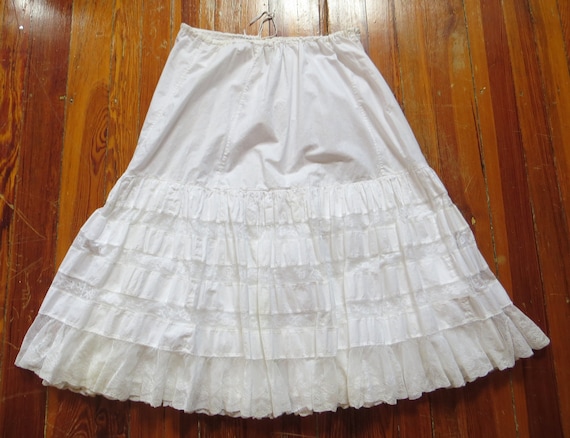
We don’t think too much about the undergarments a lady wore beneath the beautiful bustle dress or Gibson Girl clothing. There were quite a few layers which we no longer think necessary. Each had a specific purpose that makes sense when you know the reasons.

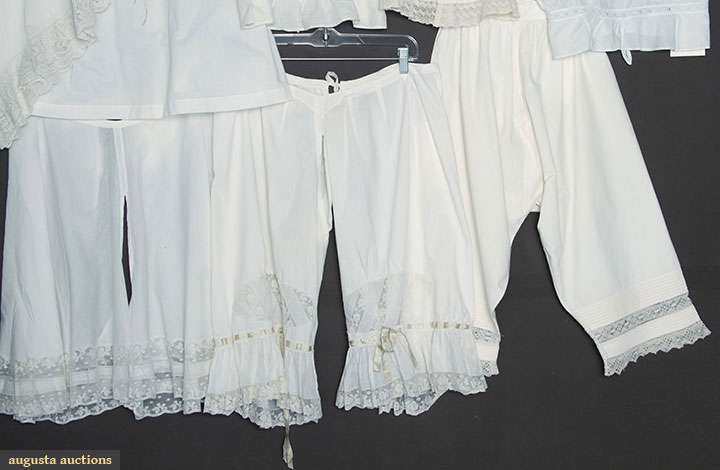
The first layers, those against the skin were the drawers and chemise. I know it sounds sort of gross to us, the drawers had open crotches. There was a method to their madness, however. I’ll lit you know why in a minute.

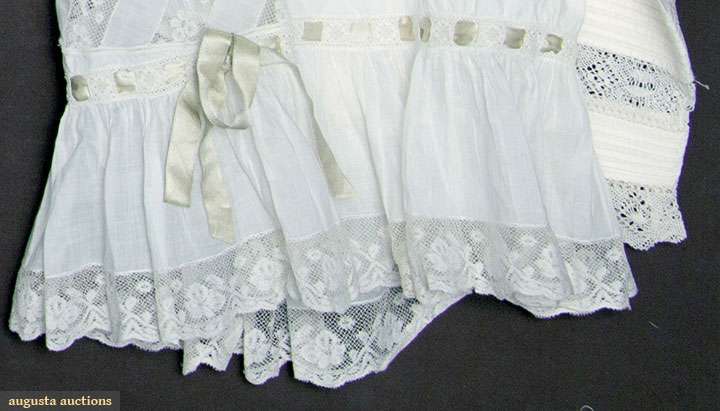
The drawers were basically two legs attacked to a drawstring waistband. You can see the slit in the photos below of the drawers on the bottom row. They were the first item of clothing put on. Over that was worn the chemise. Note the lace and ribbon trim on these.
Next came the stockings (not socks) which came up to or over the knees. Early they tied ribbons or garters to hold them up. Later garter clips appeared attached either the the corset or a garter belt. Then the shoes were put on. It was much easier to do these before the corset since bending down was limited after.

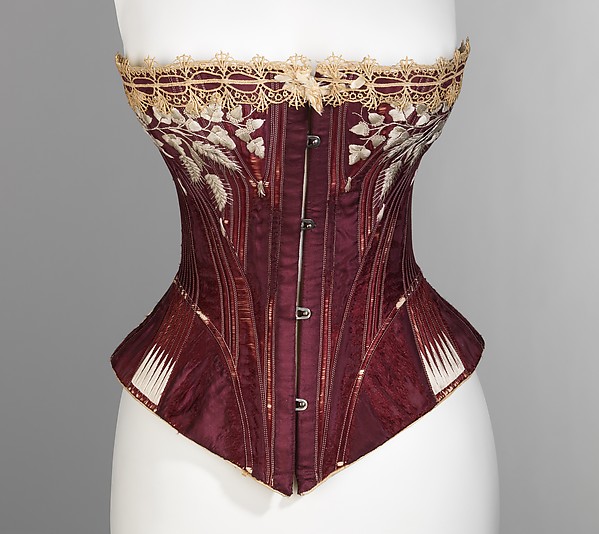
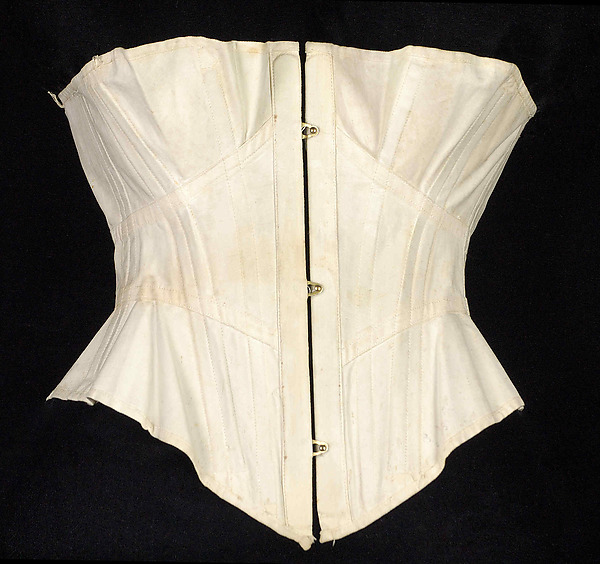
Everyone girl and woman wore a corset. Yes, even children, boys and girls. When looking at corsets and their waist size remember one thing; the back had space of 2-6 inches between the lacings. So add that to whatever the waist measurement says. Suddenly those tiny waists aren’t so tiny. Also, smaller corsets were most likely worn by teenagers. Much smaller all over than grown women. Many of the corsets that survived to this day are probably those of teenagers and only worn for a short time. Those worn as women with more mature figures were used for many years and wore out.
Anyway, the corset was placed over the chemise which often reached do to the knees.
As you can see from the images, many corsets were made from satin or brocade and decorated with embroidery and lace. We ladies love our fancy underpinnings.

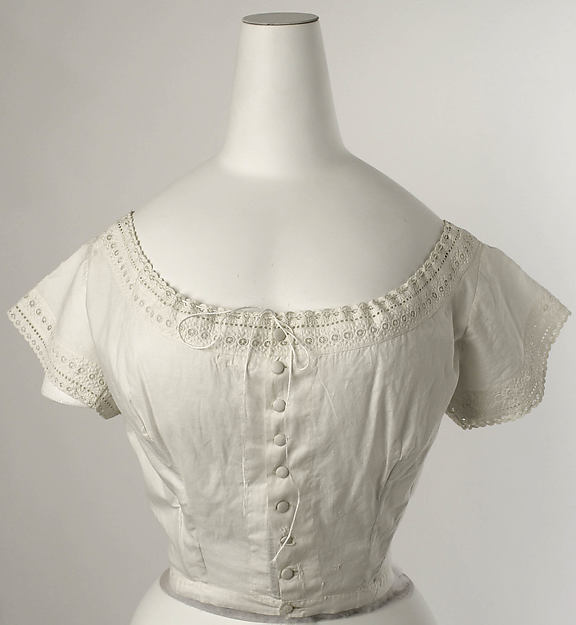
Next came the corset cover. Excessive, you say? In a day when laundry was hard physical labor and most women had to do their own, wearing the chemise and corset cover protected the corset, which couldn’t be washed or only sparingly, those two cotton garments surrounding it kept the corset from body oils and sweat, and stains.
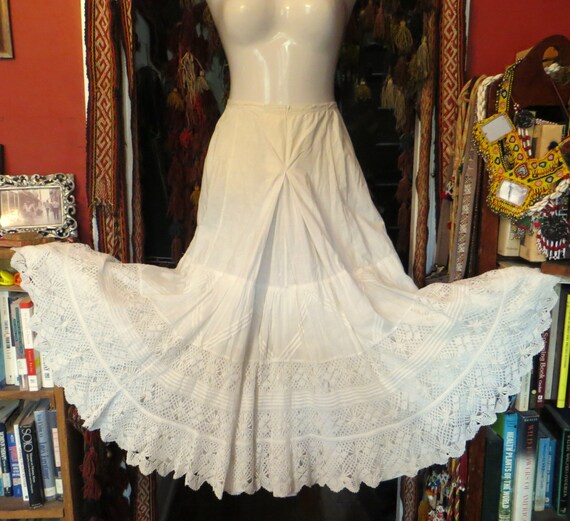
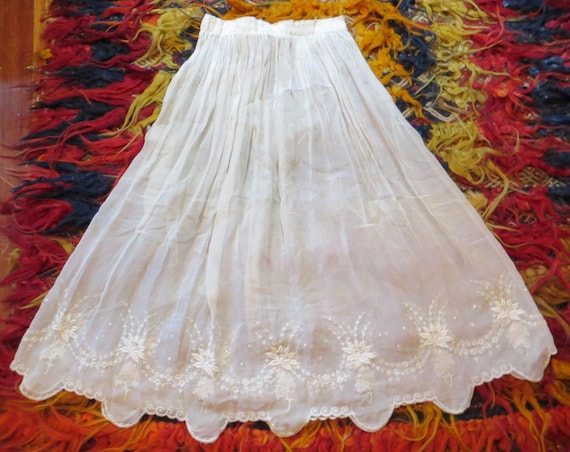
One function for the corset not thought about much concerns the bustle and petticoats. The boning in the corset allowed that to support those layers that gave structure to the skirt itself. Each layer of petticoat had a waist tie. Women often wore up to five layers, plus the bustle. Imagine all those ribbons tied around your waist with the petticoats hanging below.
Lace, ruffles, tucks and ribbon often decorated the petticoats. Ruffles added support for the skirts again. Plus they are pretty.
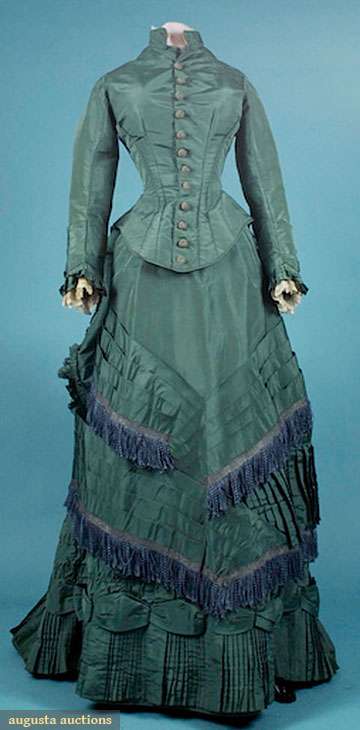
After all this, the lady finally dawned her skirt, bodice, and overskirt. And don’t forget the hat and gloves.

 As I said, I’ve been researching Victorian garments and, though I knew it before, those ladies, whether rich or more like the rest of us, liked pretty undergarments. Chemises, drawers, corsets, petticoats, whether they were handmade or made for some socialite, were adorned with lace and ribbons. Ruffles and tucks also were used as decoration. Even though no one, or very few, saw them other than the wearer, those unmentionables were beautiful garments in their own right.

Oh, those open crotches... They were so you could easily do your business in the ladies retiring room. Imagine trying to find a waist tie under all those layers, laced into a corset, take them down, pull them back up, and rearrange those layers to be presentable before your joined the public again. Now you know why they wore split crotch drawers.


~~~~~~~~~~~~~~~~~~~~~~~~~~~~~~~~~~~~~~~~~~~~~~~~~~~~~~~~~~~~~~~~~~~~~~~~~~

Sophie Dawson is an award-winning author of romance, both historical and contemporary. An eclectic conglomeration of interests and accomplishments, she has made up stories in her head all her life. Now she types them out. Her critically acclaimed series include Cottonwood, Stones Creek, and Love’s Infestation. She’s also been part of several Multi-Author projects.
Her latest release is Wanted: Shopkeeper available in Kindle, print, and KU 
https://www.amazon.com/dp/B07BWZ4ZF3

Monday, September 11, 2017

Ladies Fashions of the Civil War Era


Many of us authors love to write books about women who dress in men’s clothing for either comfort while performing outdoor tasks, or because they are trying to pass themselves off as men. Although there are documented cases of women who often posed as men in order to fight alongside their husbands in the Civil War, and others of women who did so because of the extra freedoms and privileges afforded men, most women would never deviate from a form of dress that would mark them as less than a lady. There was a great deal of social pressure put on women to look, dress and act like a lady. 

One of the measures of beauty for this look was to appear to have a small waist.  To this end, women constructed gowns to accentuate this feature.  The jewel neckline and center front openings were universal.  

Armscyes went very low onto the arm, making the shoulders look wide and sloping, thus accentuating the smallness of the waist. Side and shoulder seams were moved to the back to make a smoother line to the waist.   Skirts were full to make the waist seem smaller by comparison.  Sleeves were full at the elbow, to make the waist look smaller by comparison. 


Gone with the Wind to the contrary, this was not the era of corsets being tightened to the point of permanent injury belongs to a later era, not the civil war era. Since gowns were designed to accentuate the smallness of the waist, tight corseting was not needed.

 
Jewel necklines were universal and when visible were finished with an edging of piping or tape. Most necklines were enhanced with a removable white collar. Collars were basted in so that they could be removed from the dress for laundering. The exceptions were black collars for women in mourning and an occasional upright or frilled collar. Collars were generally enhanced with a brooch at the throat or a nice ribbon tie.


Day dresses for ladies typically had long sleeves and a high neckline and were most often made from cotton, fine wool, or silk. 


An evening or ball gown would have very short sleeves, often small puffs, and an open neckline and would be made out of silk or other especially fine cloth. Many were an off-the-shoulder style.

Most bodices were fitted closely to the torso with darts from the waistband up to the bustline. Also, note the style of darts used. By angling the seams, they add to the look of a smaller waist.


Other bodices were gathered or tucked for a looser fit. Shoulders were cut very wide and extended down the arm to a dropped armscye. Bodices were generally constructed separately from the skirt, then basted to the waistband of the skirt to make the dress. Other bodices were sewn to the skirt with a single waistband, more practical for those who are active. Bodices closed with a center front opening, using hooks and eyes or buttons. Bodices were lined to give them body.


Fashionable skirts were as wide as possible, this width was accentuated with the support of hoops or multiple starched petticoats. With a very few exceptions, no trim was applied to the skirt. Skirts were not lined, nor were they hemmed as we do today by turning under a portion of the fashion fabric. Hemming was done by applying a wide band of fabric (old dress fabric, muslin, even flour sacks) to the underside to give the skirt weight for a smooth fit. This hem band was usually quite wide-6 to 12 inches were the norm. Tape was often sewn into the seam between skirt bottom and hem band to prevent wearing of the fabric edges.


Skirts were fashioned to be very full, and that meant a lot of fabric must somehow be gathered up into the waist band with minimal bulk. Generally, knife pleats of various widths were used to fold the bulky fabric into a smooth line at the waist. The knife pleats were directional to the front of the skirt, where they formed an inverted box pleat.


However, as the Civil War progressed, skirts became less full. By the late 1860s, the fullness of the skirt began to move to the back of the dress forming a sweeping train. By the 1870s, the bustle replaced cage crinolines as the most popular feminine shape. You can see how the style of this plaid wedding dress from the 1860’s shows the start of a bustle.

Sources:


Kizzie in Kizzie's Kisses was my Civil War era heroine who opted to wear an old pair of her brother's clothes when riding her horse or working in the barn. Only when an officer's wife insists on dressing her up for a dance to celebrate the end of the Civil War does she put on a beautiful ball gown of the era. You may find out more about Kizzie's Kisses by CLICKING HERE


I have three novellas in the Sweethearts of Jubilee Springs series available.

Book 6:  Cat's Meow
Book 7:  Bargain Bessie

  ~o0o~ 
To read and enjoy all of the books in the Sweethearts of Jubilee Springs series, please sign up and follow us on Amazon by CLICKING HERE.


~o0o~

If you are on Facebook, please join the Sweet Americana Book Club by CLICKING HERE.


And, we would love you to follow Sweet Americana on Twitter by  CLICKING HERE.