Showing posts with label idioms. Show all posts

Tuesday, February 15, 2022

Cowboy Sayings - One Horse Town

“Don’t blink as you go through Canyon Gulch. It’s a one-horse town.”

This is a phrase that you might hear often while watching westerns. A one-horse town is a small town—so small that it would need only one horse to suit the needs of all it’s people. Of course like many idioms, it’s an exaggeration. 

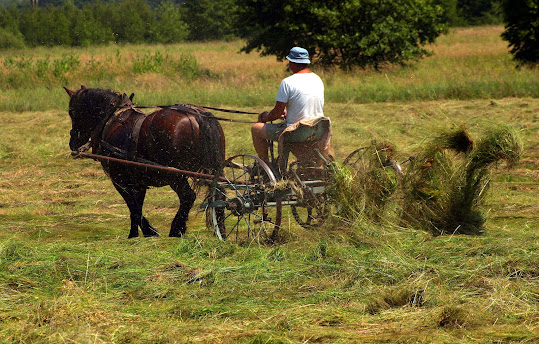
The saying got its origin in farming. If a farm was small enough that it only needed one horse to pull its plow and operate it’s cart, then it was a small farm. This saying was expanded to towns in the 1800’s western expansion. And often has the negative connotation of meaning poor or boring, as well.

Have you ever heard this saying before? Used it yourself? Could you see yourself using it now? Let me know in a comment!


On average, P. Creeden releases a story each month. Interested in learning more? 
Join her reader group on Facebook:

Tuesday, January 18, 2022

Cowboy Sayings - A Horse of a Different Color

“I thought we were going to work in the back fields today, but we’re actually going to town? Now that’s a horse of a different color!”

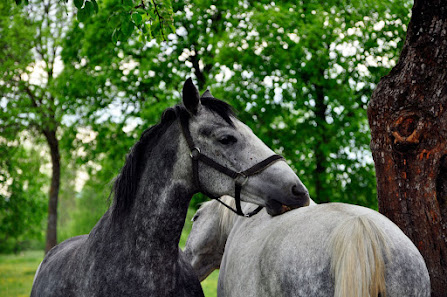
The origin of the phrase originally came from horse trading. When young horses are born, they are registered with the breed association within a year of birth. Unfortunately, if the horse is a gray horse, it will change color over time, and not necessarily be the color stated on the paperwork. For example, a horse can be born black and then at two years old, start to gray out, and by the time they are five, be a dark dapple gray, by the time they are ten, they are usually almost pure white, and by the time they are fifteen, they are often “flea-bitten” gray—with brown flecks all over their bodies. But, it’s still the same horse.

So when Shakespeare used this phrase in his play Twelfth Night (2:3), this was the way that he had used it — to mean a reference to the same thing. That is, that one is the same as the other, just a different color.

However, over time, the phrase took on a new meaning. By the 1800s, cowboys used it to mean exactly the opposite. That is, they used it to mean that they understood one thing, but found out it was something else entirely. In the quote I used above as an example, it changes perspective and motivation—making it a horse of a different color.

Have you ever heard this saying before? Used it yourself? Could you see yourself using it now? Let me know in a comment!


On average, P. Creeden releases a story each month. Interested in learning more? 
Join her reader group on Facebook: